April,26,2025
Former U.S. President Donald Trump has said that Russia and Ukraine are “very close to a deal,” following high-level talks between his special envoy Steve Witkoff and Russian President Vladimir Putin in Moscow. Despite Ukraine not being invited to the discussions, Trump described the negotiations as a “good day,” and the Kremlin echoed this by calling the meeting “constructive.”
According to Trump, “most of the major points are agreed to,” and he urged both Russia and Ukraine to meet at the highest levels to finalize an agreement. However, Ukrainian President Volodymyr Zelensky pushed back, saying any peace must begin with a “full and unconditional ceasefire” and that real pressure on Russia is necessary for meaningful progress.
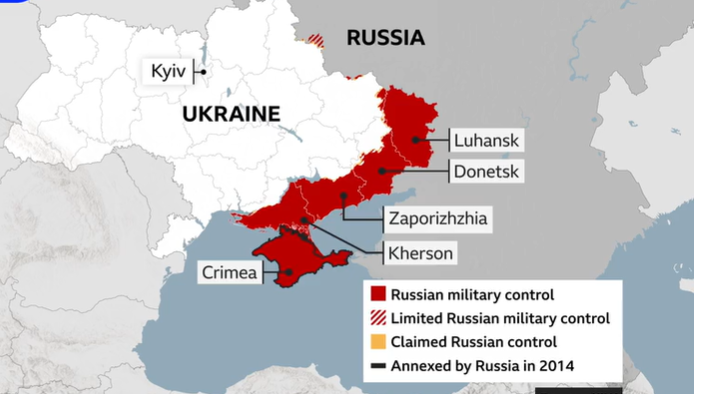


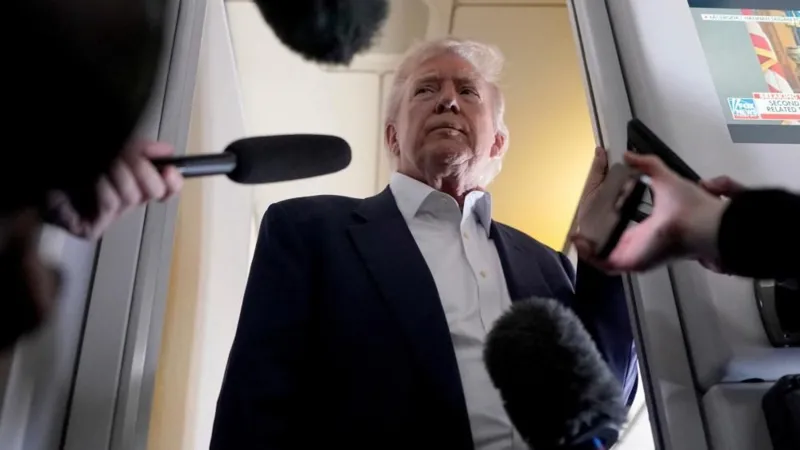
Trump’s remarks came as he arrived in Rome to attend the funeral of Pope Francis. Speaking to reporters, he also indicated support for Russia’s claim over Crimea, a position rejected by Zelensky, who insists that only the Ukrainian people have the right to determine the status of their territory.
Reports suggest a U.S.-backed peace plan could require Ukraine to accept the loss of large areas currently occupied by Russia, including Crimea and the entire Luhansk region. Zelensky has firmly opposed any proposal that legitimizes Russia’s land grabs but hinted that if a ceasefire were in place, all issues could be discussed diplomatically.
The latest round of talks in Moscow was the fourth time Witkoff has met with Russian officials this year. Putin’s aide, Yuri Ushakov, described the three-hour meeting as “very useful,” noting that it helped bring Russian and U.S. positions closer, not just on Ukraine but on wider international concerns.
While Putin has shown some openness to negotiations – reportedly responding to Zelensky’s recent proposal for a 30-day Easter ceasefire – no such truce has been agreed to. Trump has been ramping up pressure on Ukraine to make concessions, including dropping its NATO membership ambitions and finalizing a long-pending rare earth minerals deal with the U.S.






That minerals agreement, which would give the U.S. access to Ukraine’s rich natural resources, was supposed to be signed in February but has been delayed due to tensions between Trump and Zelensky. Trump noted the deal was “at least three weeks late” and urged for its immediate signing.
Despite talk of peace, Ukraine remains excluded from direct negotiations in Moscow. Zelensky criticized Russia’s continued refusal to honor a proposed ceasefire, and accused it of using foreign-supplied ballistic missiles in a deadly strike on Kyiv that killed 12 civilians. He claimed that the missile contained over 100 components made by foreign – mostly American – companies.
Trump responded to the attack with a social media post aimed at Putin: “Vladimir STOP!” Still, he also controversially stated that Ukraine’s interest in NATO membership may have sparked the conflict, a view not widely supported among international analysts.
Tensions escalated further after a Russian general was killed in a car bombing in Moscow. The Kremlin blamed Ukraine, though Kyiv has not issued a statement.

As pressure mounts from the U.S. for a deal, significant gaps remain between the American proposal and what Ukraine and European allies are willing to accept. While the U.S. appears open to legitimizing Russia’s territorial gains, Kyiv and Europe maintain that all occupied regions must be addressed only after a ceasefire is in place.